

our sustainability approach
At ZingeZethu Construction, sustainability is integral to our operations, ensuring that we balance economic development with environmental stewardship and social responsibility. We are committed to building infrastructure that is not only efficient and innovative but also addresses broader societal needs, from environmental conservation to community upliftment.

The Environment
We are deeply aware of the environmental impact that construction can have, and our approach focuses on mitigating this through proactive and responsible measures:
- Flood Mitigation: We incorporate advanced stormwater management systems to prevent flooding in vulnerable areas. Our designs prioritize water runoff management and the preservation of natural waterways to reduce urban flooding risks.
- Responsible Use of Renewables: Wherever possible, we incorporate renewable materials in our projects, favoring resources that are sustainably sourced. This includes the use of timber, bamboo, and other eco-friendly materials that reduce the carbon footprint of our operations.
- Promoting Solar Energy: In line with the global shift toward clean energy, we actively promote the integration of solar power systems in the buildings and infrastructure we develop. From solar lighting solutions to energy-efficient solar panels, our projects aim to reduce reliance on non-renewable energy sources.
- Recycled Inputs: To reduce waste, we incorporate recycled materials into our construction processes, including recycled concrete, steel, and other building components. This helps reduce landfill contributions and supports the circular economy.
- Creating Green Spaces: Our projects emphasize the importance of green urban areas, integrating parks, gardens, and natural landscapes into our designs. Green spaces not only improve air quality but also promote biodiversity and enhance the well-being of communities.
- Green Building Practices: We adopt internationally recognized green building standards, such as LEED (Leadership in Energy and Environmental Design), to minimize environmental impact. Our buildings are designed for energy efficiency, water conservation, and the sustainable use of materials, ensuring a minimal environmental footprint throughout the lifecycle of each project.
Women Empowerment
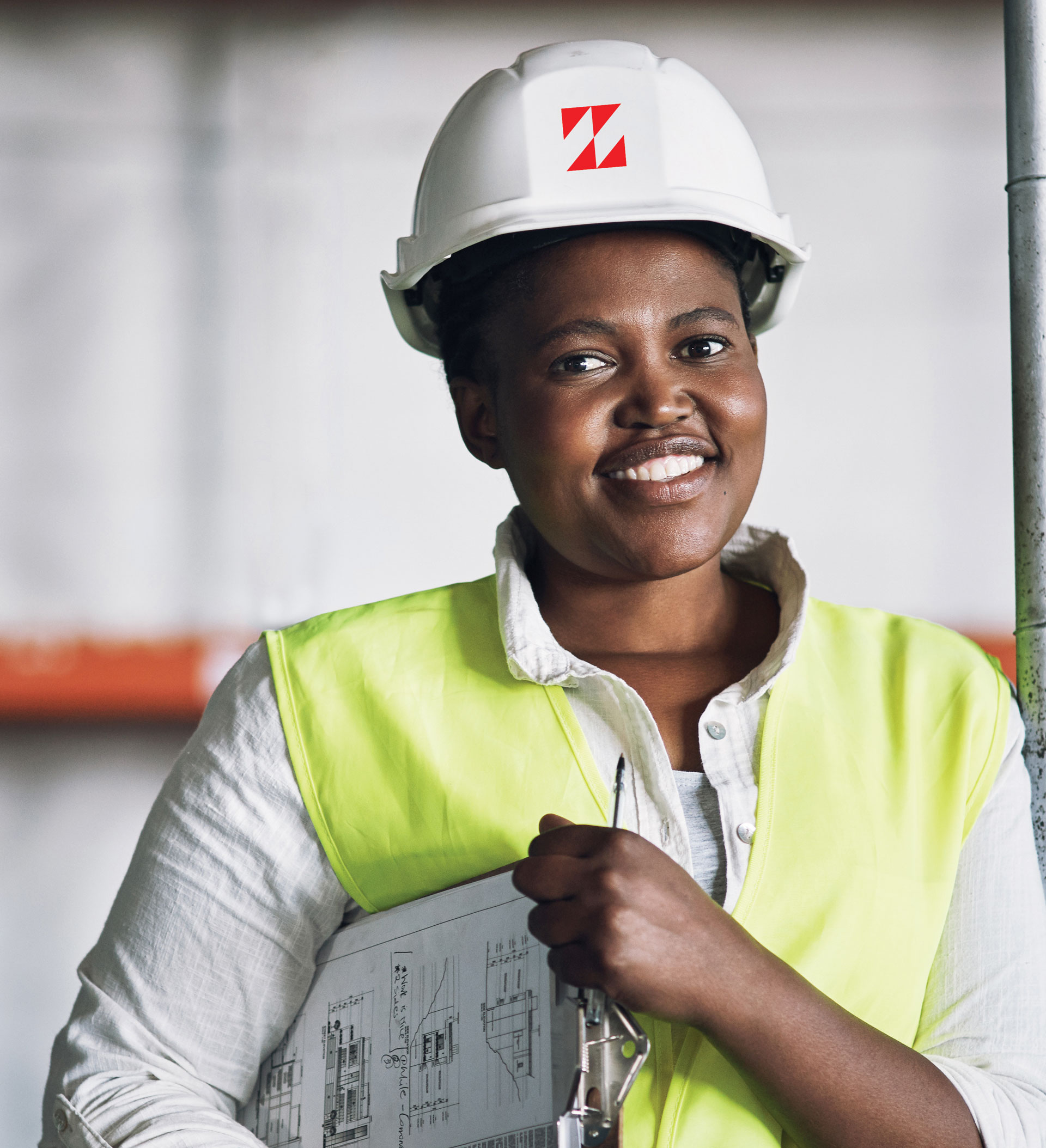
ZingeZethu Construction is dedicated to driving gender equality in the construction industry through empowerment initiatives that create opportunities for women to thrive:
- Training & Development: We provide specialized training programs for women to gain technical qualifications and hands-on experience in various construction trades. These programs aim to close the skills gap and ensure that women are well-equipped to perform at every level within the construction ecosystem.
- Focus on Hiring Women: We prioritize hiring women, particularly from previously disadvantaged backgrounds, and create a supportive environment for their growth within the company. By fostering diversity, we believe in not only changing the face of the industry but also bringing new perspectives to construction practices.
- Leadership Development: In addition to operational roles, we encourage women to pursue leadership and management positions within ZingeZethu. We aim to empower the next generation of female leaders in construction by creating pathways to senior roles and decision-making positions.
Enterprise Development
At ZingeZethu, we recognize that true sustainability includes uplifting the communities we work in. Our enterprise development initiatives are aimed at creating opportunities for small businesses and suppliers in underserved areas:
- Building Supplier Capacity: We work closely with small enterprises in economically disadvantaged communities, offering them guidance, mentorship, and training. By improving their capacity and operational standards, we enable them to become competitive, reliable suppliers within the broader construction value chain.
- Supporting Local Economies: Our focus on sourcing from local suppliers not only helps boost the local economy but also reduces the environmental impact associated with long-distance transportation of materials. Through this approach, we contribute to community empowerment and foster long-term economic resilience.
- Access to Markets: We actively link emerging enterprises with opportunities in the formal construction market, helping them grow and succeed. By integrating them into our supply chain, we contribute to their development and promote inclusive growth within the construction sector.